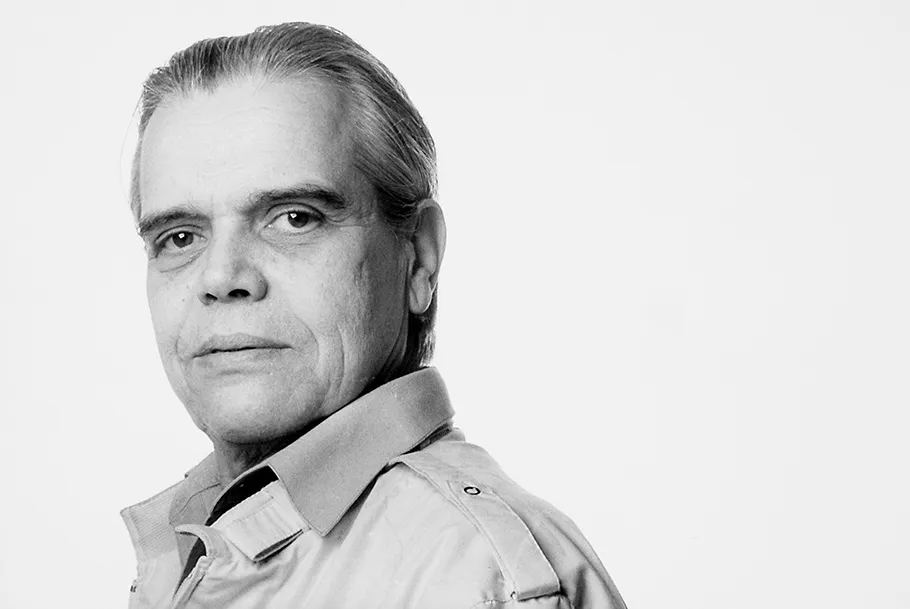
Willys De Castro
Brazil
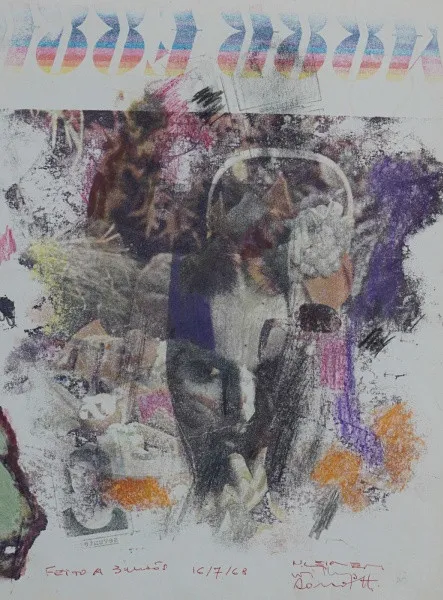
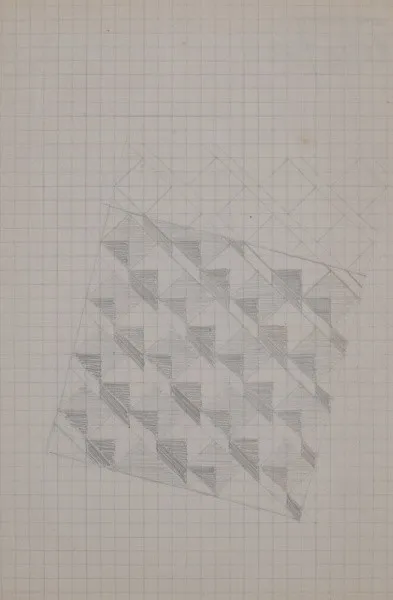
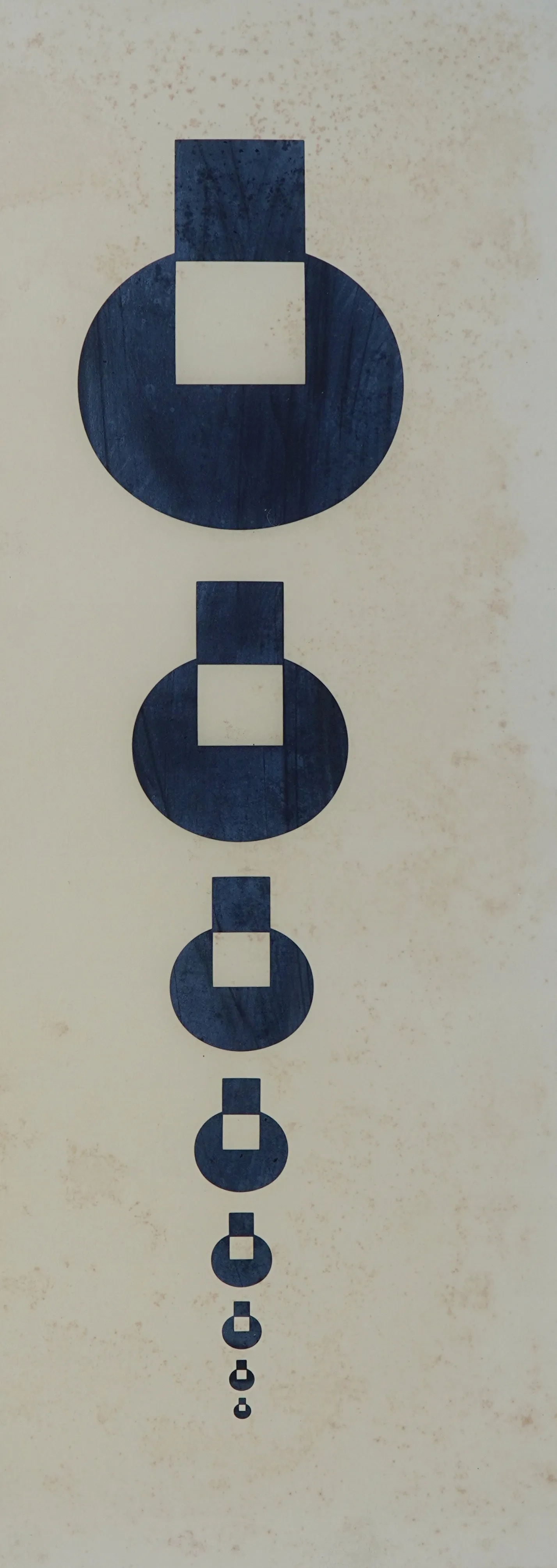
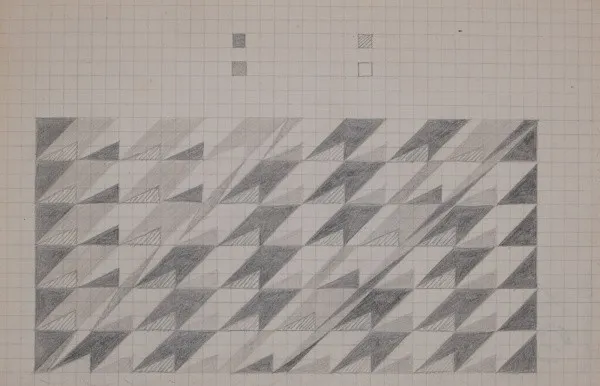
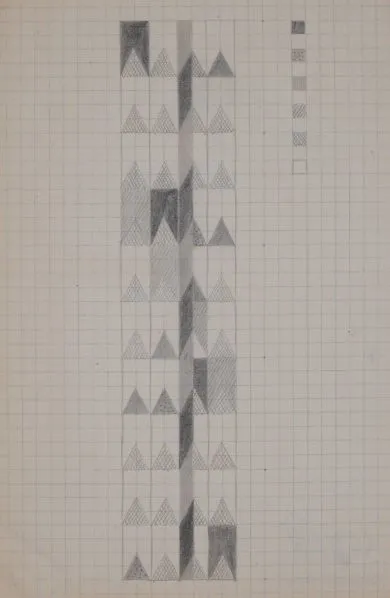
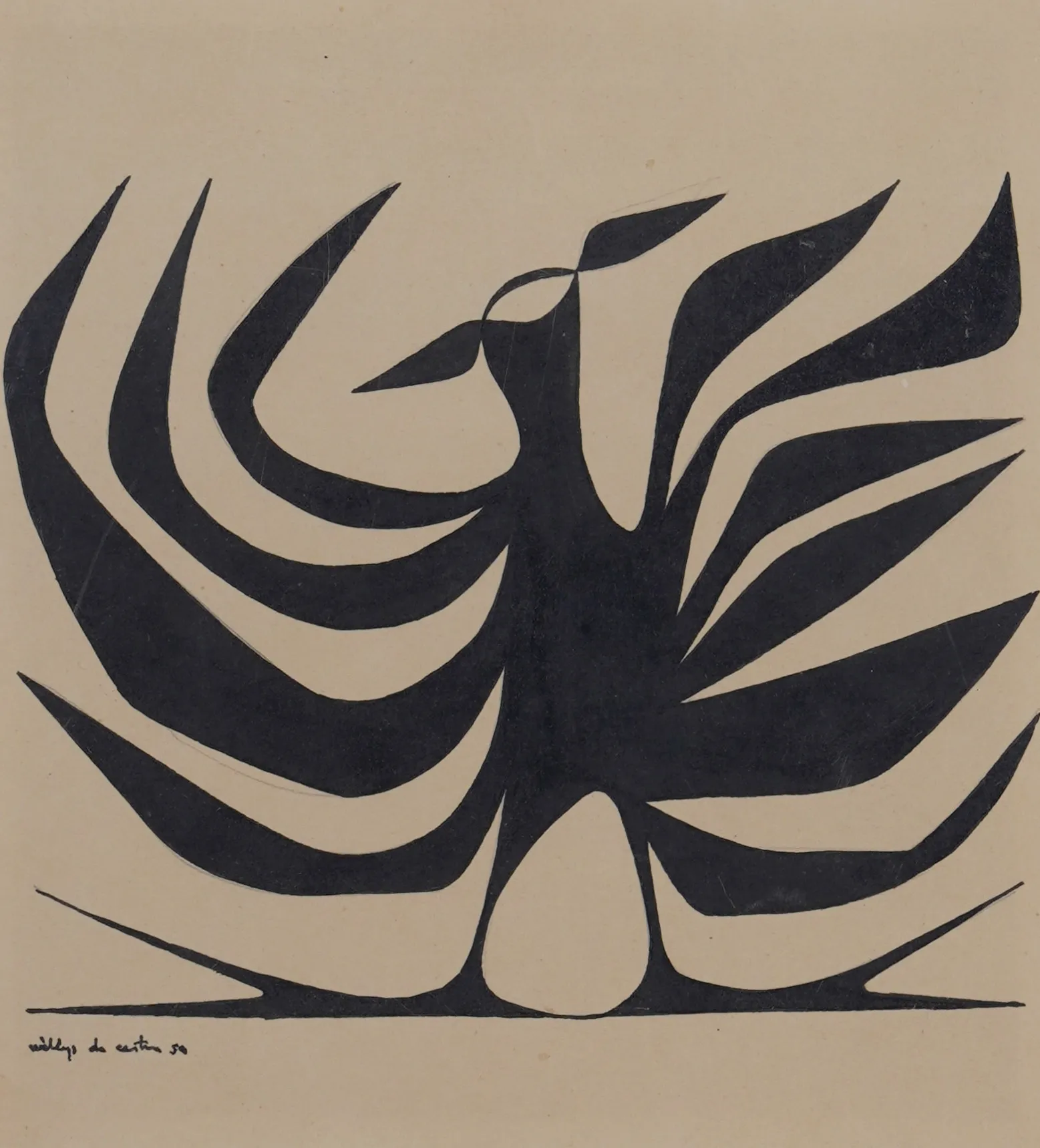
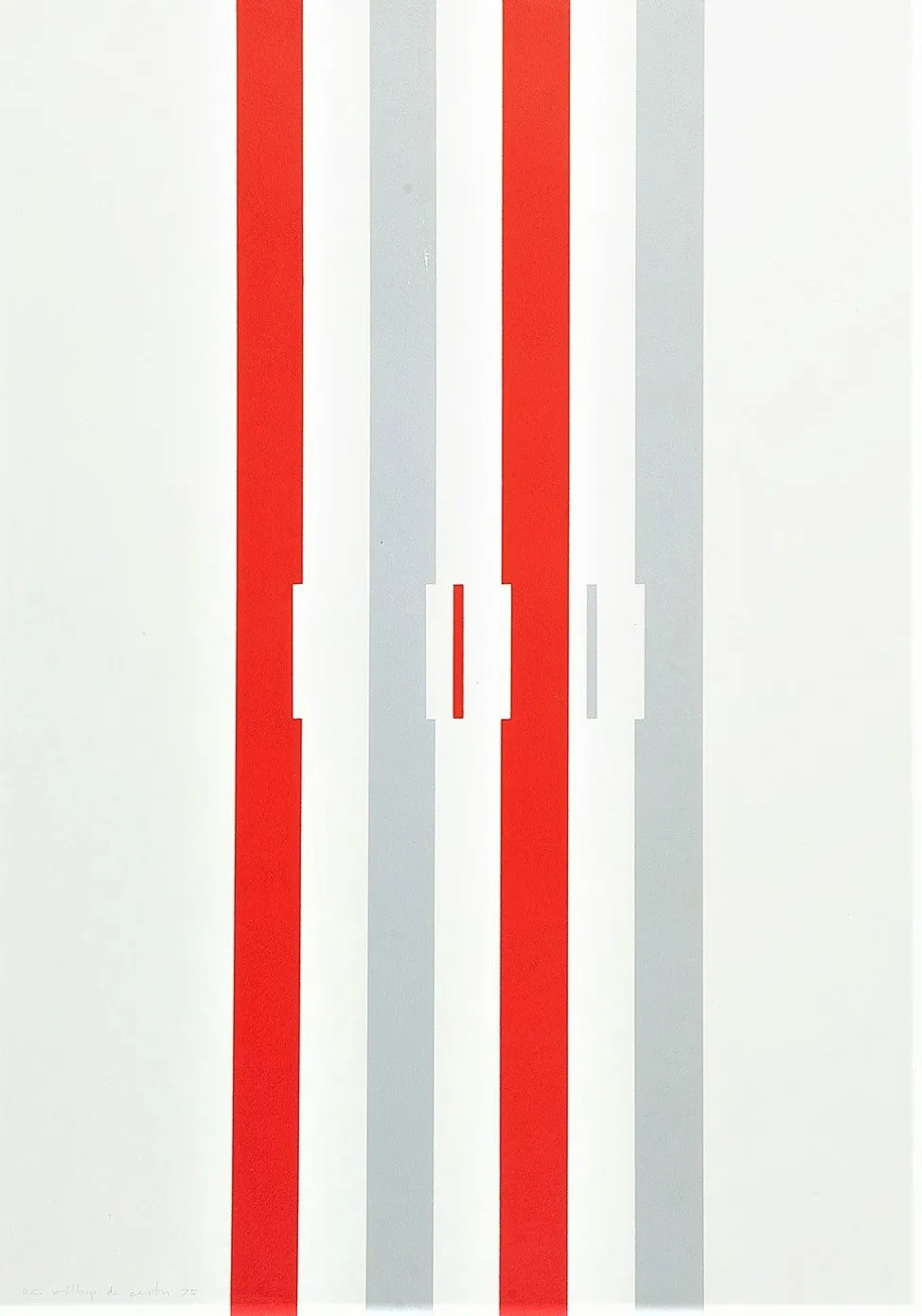
Willys de Castro was born in Uberlândia, Minas Gerais, in 1926, and became a prominent painter, printmaker, designer, scenographer, costume designer, and graphic artist. In 1941, he moved to São Paulo, where he studied drawing with André Fort. In the following years, he worked as a technical draftsman and, in 1948, graduated in chemistry. His artistic career began in the 1950s when he started producing abstract-geometric paintings and drawings aligned with constructivism.
In 1954, he founded a graphic design studio with Hércules Barsotti, and together they participated in the Ars Nova movement, creating concrete-visual poems. Throughout his career, Willys also worked in theater, creating sets and costumes for the Teatro de Arena and the Teatro Cultura Artística, and co-founded the magazine Teatro Brasileiro.
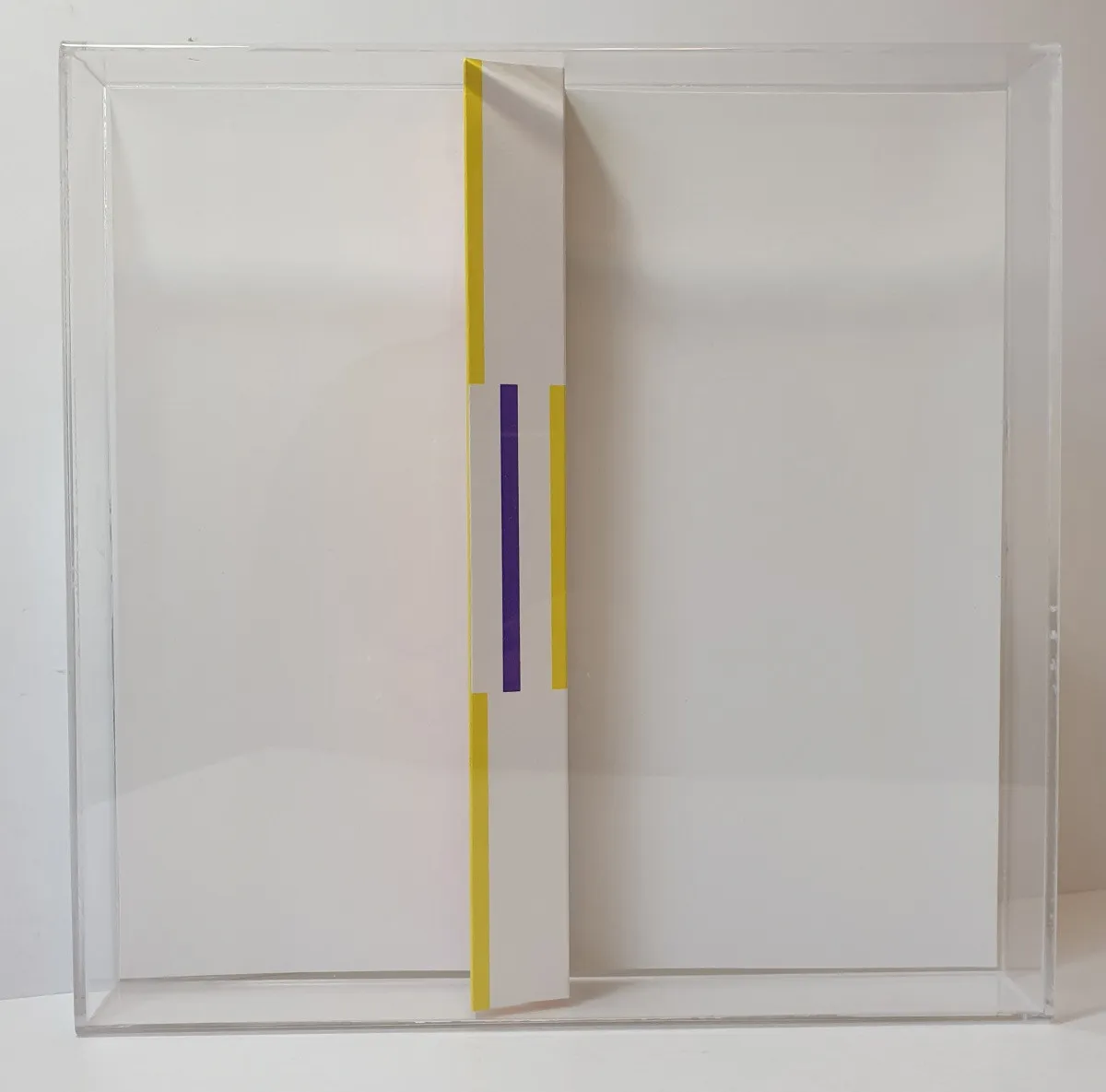
In 1959, after a period of study in Europe, Willys joined the Neoconcrete Group in Rio de Janeiro, alongside artists such as Ferreira Gullar, Lygia Clark, and Franz Weissmann. Between 1959 and 1962, he developed the Active Objects series, where he explored the relationship between plane and volume, questioning the use of the canvas as a pictorial language support.
In the 1960s, Willys de Castro served on the Art Council of Galeria de Artes das Folhas and was a member of the Brazilian Association of Industrial Design (ABDI) and the Grupo Novas Tendências. During the 1980s, he focused on research involving constructions in wood, metal, stainless steel, and other materials, creating the Pluriobjects, works that combine color and movement.
Sources:
Text: Blombô research and curation, with the support of artificial intelligence for content writing and structuring.
Check the selection of works of this artist