Tuneu
Brazil - 1948
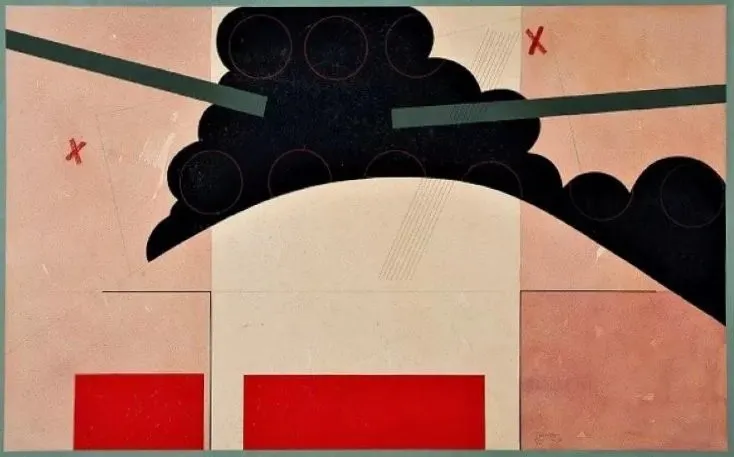
Tuneu, born in 1948, is a renowned Brazilian artist whose career began in the mid-1960s. His early work was marked by drawings that approached landscapes in an allusive manner, without explicit figuration, geometrically organized with lines reminiscent of the style of English artist David Hockney. Critic Roberto Pontual notes that in his works, the landscape is felt more as a possibility than as a blatant reality. Mountains and paths are conceived as sinuosities, constituting more formal issues than direct allusions to the outside world.
Over time, Tuneu began to give more importance to flat areas of color, dedicating himself to painting. His creations are often related to the synthesis of landscapes oscillating between the real and the imagined. Tuneu constantly works with contrasts and harmonies, creating different relationships with space. The suggestion of movement or balance in his work derives directly from the contrast between distinct color fields.
Art historian Tadeu Chiarelli notes that in Tuneu's canvases, geometric areas strive to break with the figure-ground dichotomy. However, in many works, a quadrangular shape seems to project as a figure, breaking out of the previously demarcated area, creating a sense of movement that ironically rescues the kinetic tradition of concretism. The artist's more recent production features colors in more subdued tones, lending a diffuse allusion to the demarcated areas and imparting a melancholic air to the geometric certainty where they are enclosed.
Tuneu is considered part of a group of artists who bridge the Paulista pictorial tradition of the 1930s and 1940s, represented by painters like Rebolo, Bonadei, and Volpi, with the constructive rupture, creating a link between these two important strands of Brazilian art.
Sources:
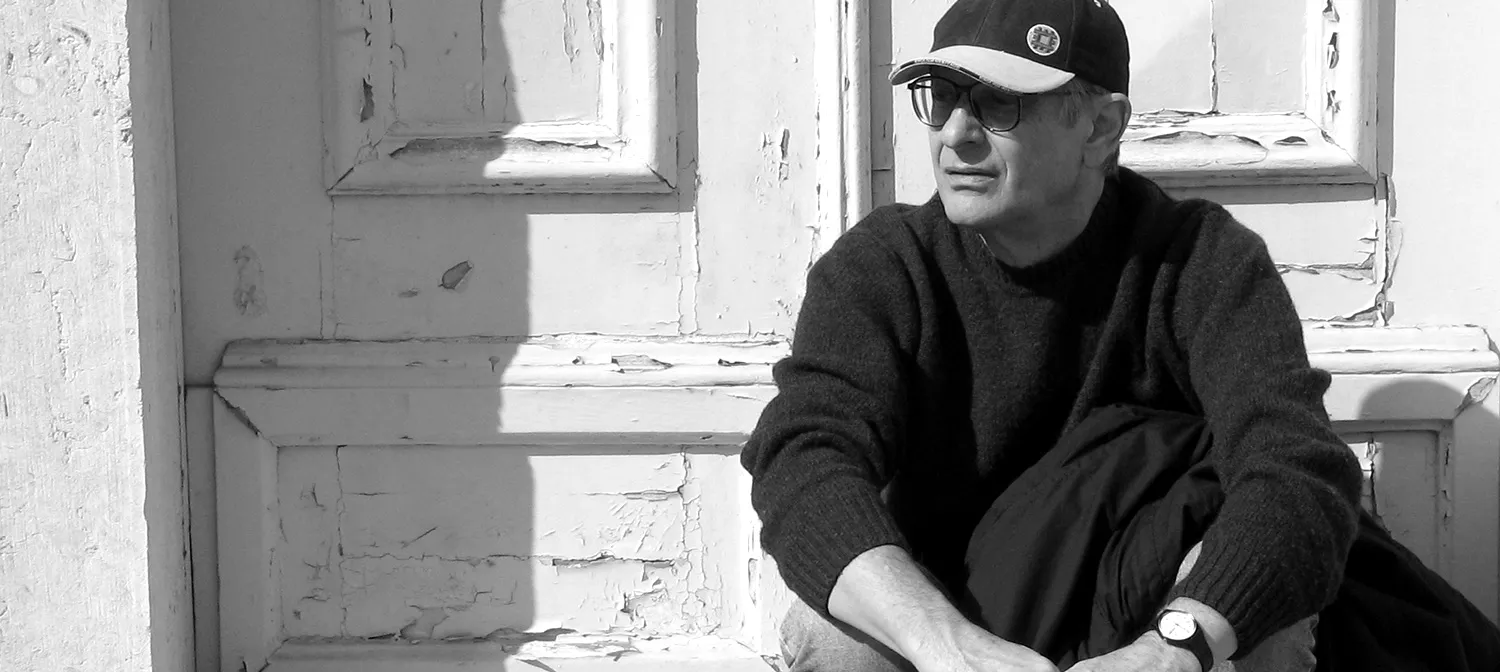
Photo: http://www.gravura.art.br/artistas/tuneu.html
Text: Blombô research and curation, with the support of artificial intelligence for content writing and structuring.
Check the selection of works of this artist