Reynaldo Fonseca
- 1925
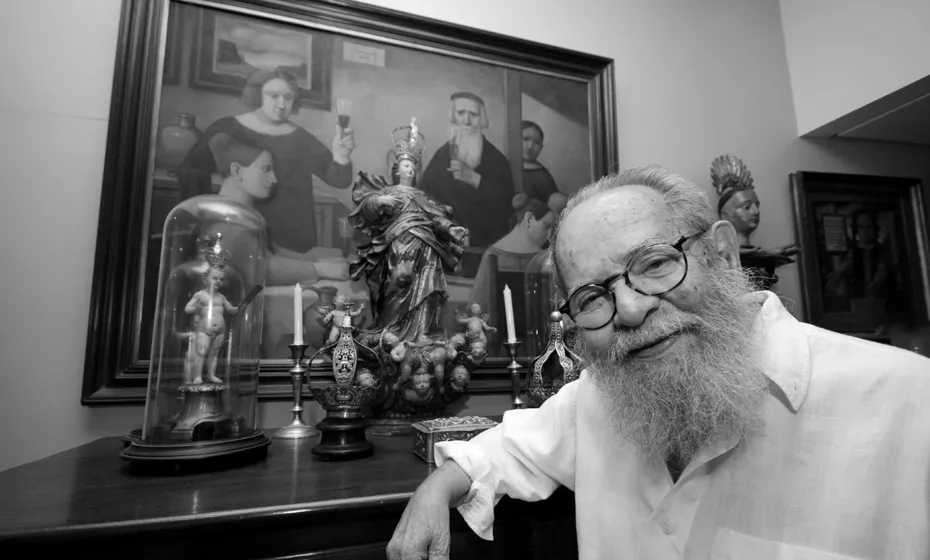
Reynaldo de Aquino Fonseca attended the School of Fine Arts of Pernambuco, in Recife, in 1936, where he was a student of Lula Cardoso Ayres and took a course in drawing instruction. In 1944, he lived in Rio de Janeiro and studied with Candido Portinari for six months. Fonseca was one of the founders of the Sociedade de Arte Moderna do Recife (SAMR), an association that proposed breaking away from the academic teaching system. In 1948, he undertook a study trip to Europe. Between 1949 and 1951, he studied metal engraving with Henrique Oswald at the Liceu de Artes e Ofícios in Rio de Janeiro.
In addition to engraving, Fonseca used watercolor and predominantly oil on canvas, presenting a figurative production. In 1952, he became a tenured professor of artistic drawing at the School of Fine Arts of the Federal University of Pernambuco (UFPE). He attended the Ateliê Coletivo, founded by Abelardo da Hora, and took drawing courses. In 1964, he created a mural for Banco do Brasil in Recife. After living in Rio de Janeiro from 1969 to the early 1980s, he returned to Recife. In 1980, he illustrated the book "Pintura e Poesia Brasileiras," with poems by João Cabral de Melo Neto. Between 1993 and 1994, the Centro Cultural Banco do Brasil (CCBB) held a retrospective exhibition of his work in Rio de Janeiro and São Paulo.
Critical Commentary
Reynaldo Fonseca is known for his contribution to the Sociedade de Arte Moderna do Recife (SAMR), which sought to break with traditional academic teaching and create a comprehensive cultural movement. He later distanced himself from the Pernambuco school of painting and regional themes.
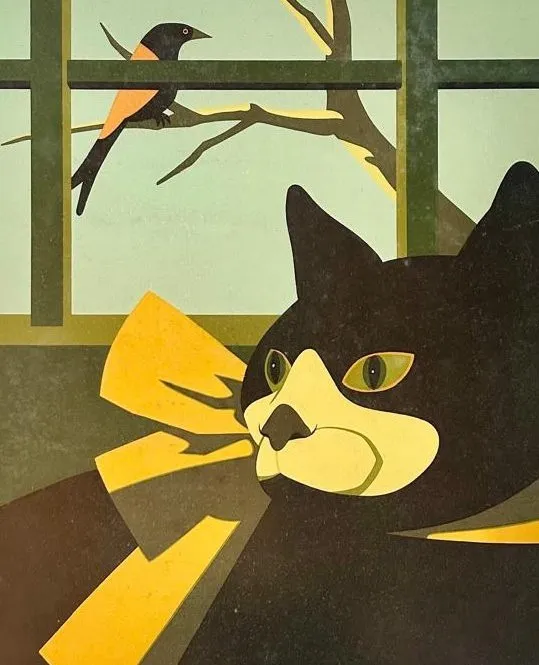
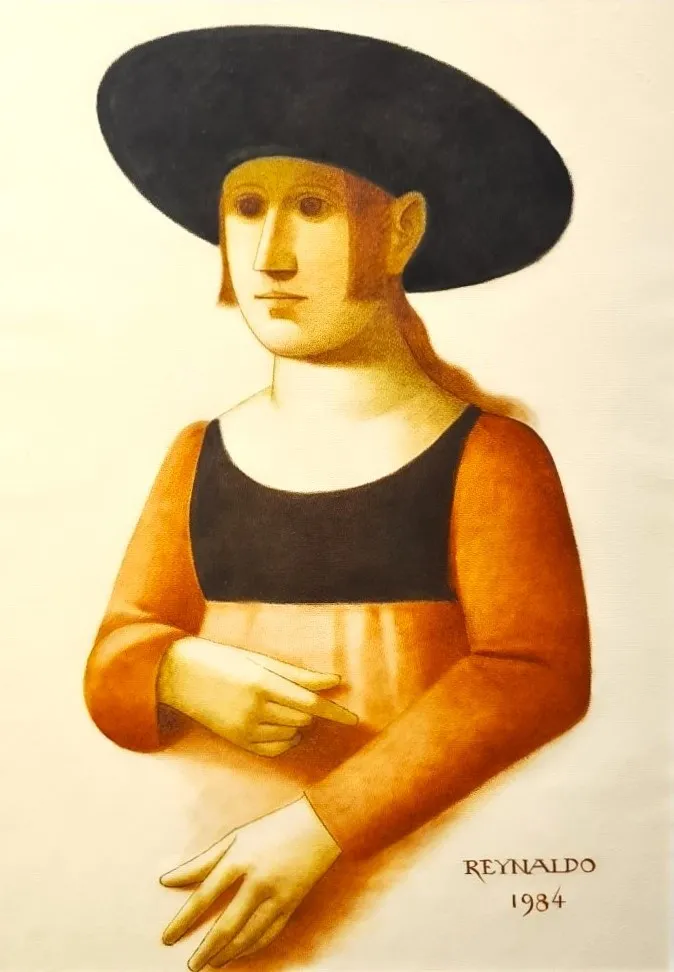
Fonseca remained on the fringes of artistic currents seeking to renew art in Brazil. With a figurative production, he worked with watercolor, engraving, and mainly oil on canvas or duratex. His works reveal great mastery of drawing and careful use of color. He often used clippings from photographs printed in newspapers and magazines as inspiration.
His recurring themes include family scenes with children and animals, evoking a dreamy, unsettling, and strange atmosphere reminiscent of surrealism and metaphysical painting. He drew inspiration from early Italian and Flemish Renaissance paintings, primitive North American painters of the 18th and 19th centuries, and surrealists. As noted by Roberto Pontual, Fonseca focused on creating enigmas, situating himself between the metaphysical and the fantastic, patiently revisiting art history with a touch of irony.
Sources:
Text: Blombô research and curation, with the support of artificial intelligence for content writing and structuring.
Check the selection of works of this artist