Piranesi
Italy - 1720 - 1778
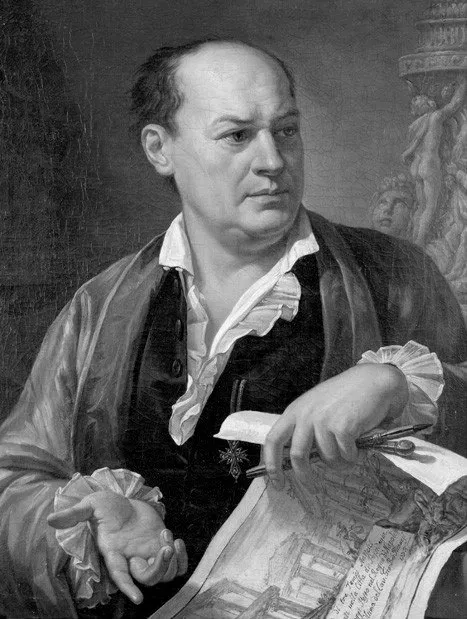
Giovanni Battista Piranesi was born on October 4, 1720, in Mogliano, Veneto, near Treviso, in the then Republic of Venice, and died in Rome in November 1778. He was one of the great masters of engraving in the 18th century, celebrated for his humanistic approach. Piranesi was also a brilliant draftsman, a respected theorist and physiocrat, and a renowned hydraulic engineer and archaeologist.
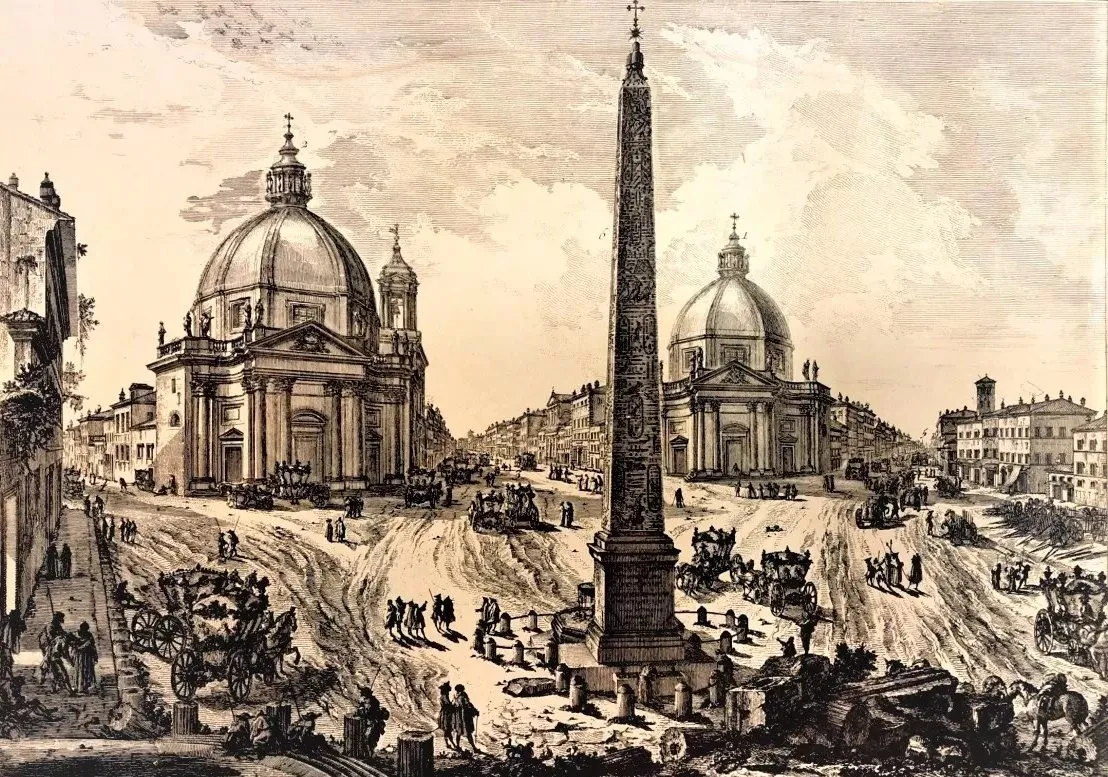
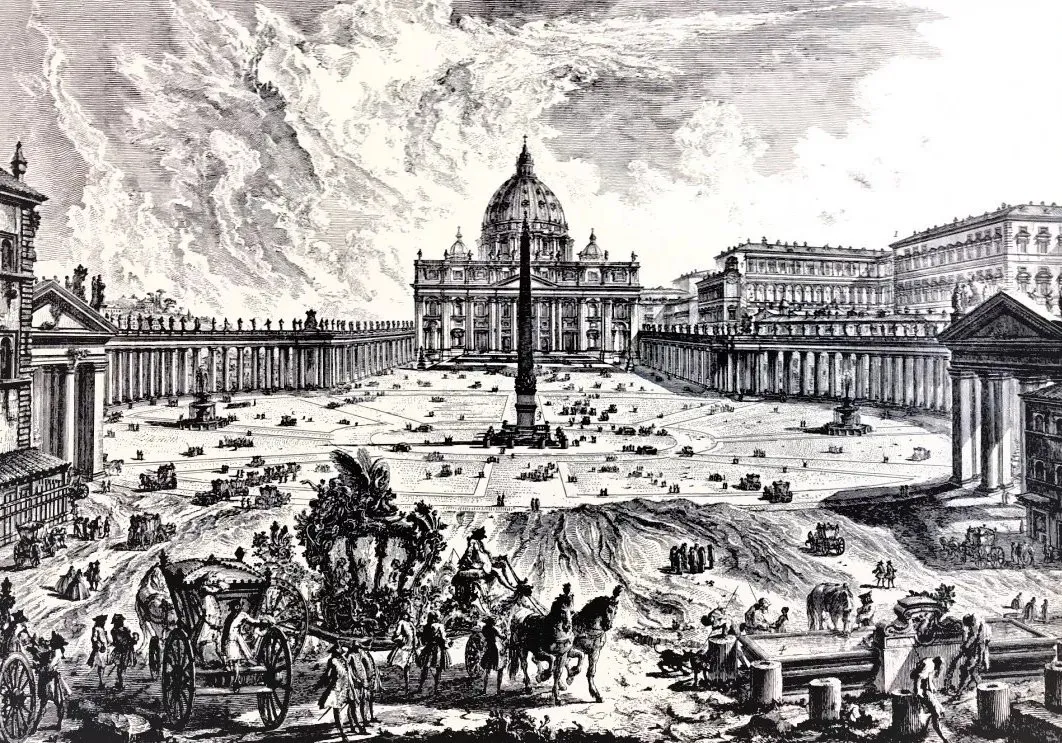
Born into a family with a great interest in art, particularly architecture, Piranesi began his drawing studies at a very young age. He had a particular appreciation for perspective and classicism in theory. His drawings and engravings revealed great talent in combining dramatic perspectives with a deeply neoclassical and mannerist architecture.
At the age of 15, he traveled to southern Italy to study the remarkable Greco-Roman art abundant in the region. Piranesi dedicated himself to creating excellent works that portrayed and studied classical art, demonstrating his archaeological skills.
At twenty, Piranesi moved to Rome, where he finally came into contact with ancient Roman ruins, including the Colosseum, and baroque urban architecture. He began a series of drawings and engravings, highly valued today, that mainly depicted interiors of palaces and prisons.
Piranesi's drawings and engravings influenced the style of many modern-age artists and literary figures. Many neoclassical draftsmen and late romantic writers reorganized their eclectic worldview inspired by Piranesi's work. He inaugurated a prosperous studio in Rome, making it a city landmark. After his death, his work was extensively explored and reproduced by his contemporaries and continued by various followers.
Sources:
Photo: https://pt.wikipedia.org/wiki/Giovanni_Battista_Piranesi
Text: Blombô research and curation, with the support of artificial intelligence for content writing and structuring.
Check the selection of works of this artist