Leopoldo Plentz
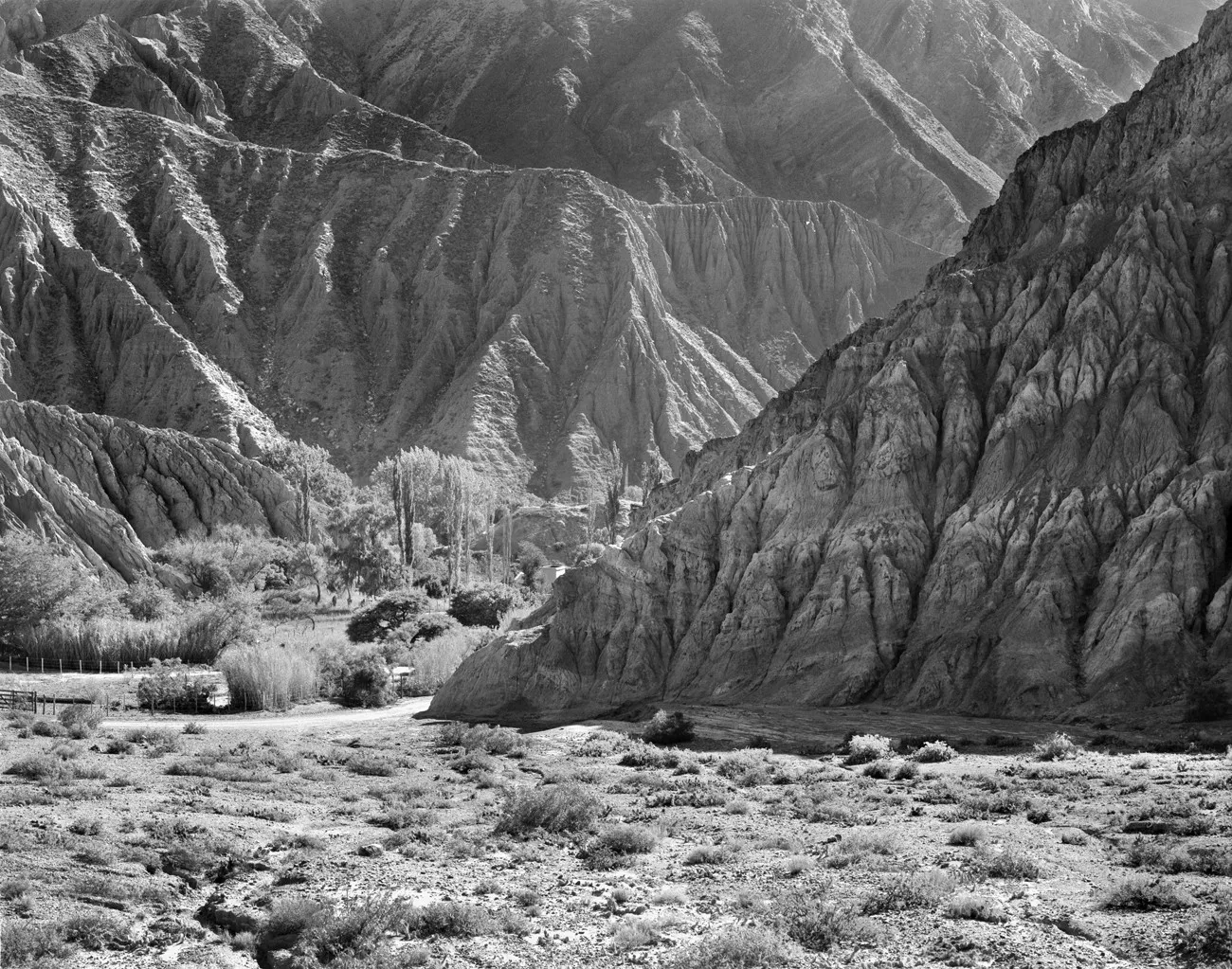
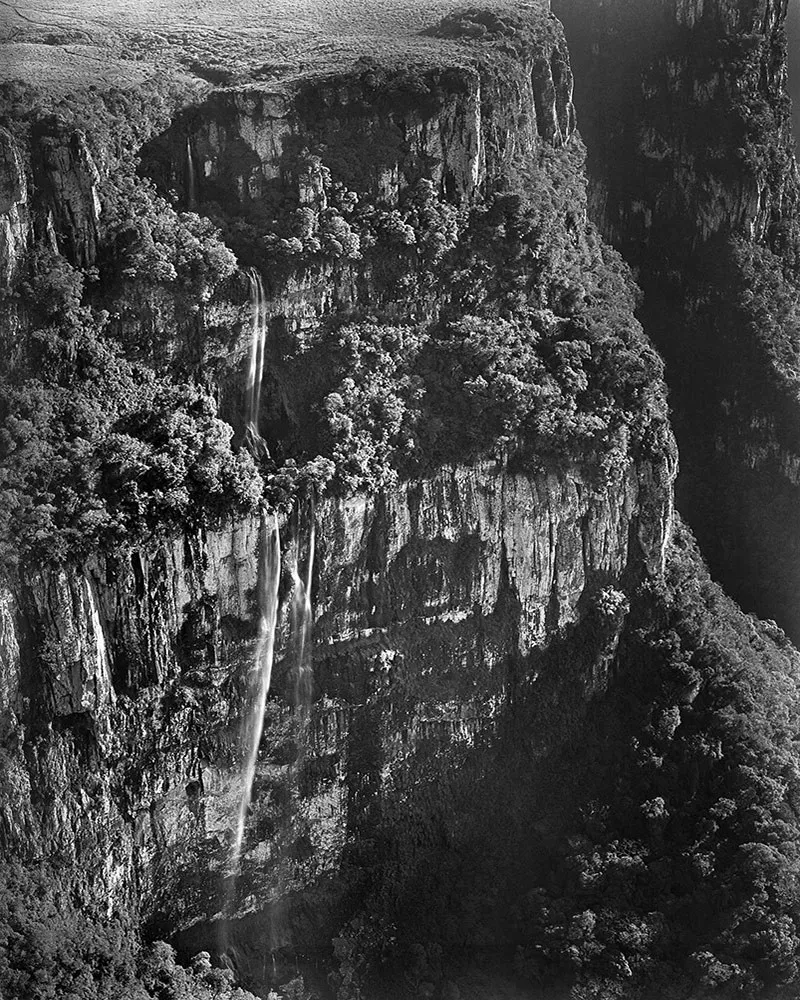
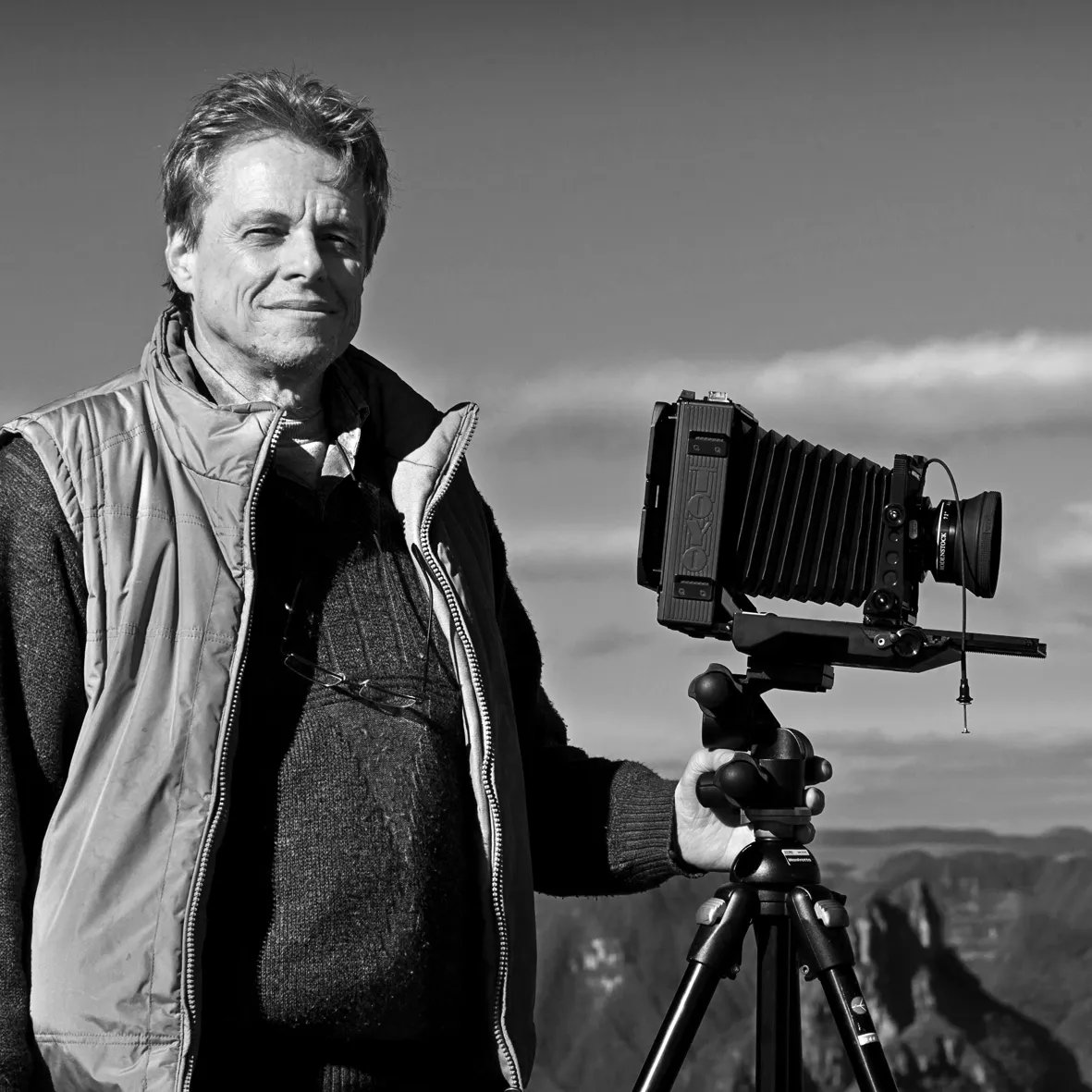
José Leopoldo Plentz was born in Porto Alegre, Rio Grande do Sul, in 1952. He graduated in Fine Arts from the Institute of Arts at the Federal University of Rio Grande do Sul (IA/UFRGS) in 1980. During his studies, he took engraving courses at the Atelier Livre da Prefeitura de Porto Alegre. He began his photography career in 1975, dedicating himself to both personal projects and the documentation of cultural heritage.
His first solo exhibition was held in 1979, where he presented a series of engravings at the Museum of Engraving in Bagé, Rio Grande do Sul. Between 1980 and 1990, he coordinated the Photography Department at the Faculty of Architecture at UFRGS, participating in numerous group exhibitions and holding his first solo photography exhibitions. In 1984, he received the Marc Ferrez Scholarship, granted by the National Institute of Photography of the National Arts Foundation (INFoto/Funarte).
From 1990 to 1996, Plentz was part of the Photography Department at the Faculty of Library Science and Communication at UFRGS. He taught photography in the Social Communication Course at the University of Passo Fundo from 1996 to 1998. That year, he received the Gaúcho Photography Award, promoted by the Government of the State of Rio Grande do Sul. In 2001, he won the Icatu Award, and the following year, he received the Vitae Arts Scholarship to continue his project "Visible Cities". In 2007, he won the Pestana Award in Portugal, granted through the international photography contest Niemeyer 100 Years. In 2008, he became a professor at the Center for Photography at the Superior School of Advertising and Marketing (ESPM-Sul) in Porto Alegre.
Analysis
Leopoldo Plentz began his career as a photographer in the 1970s, focusing on architectural photography and the documentation of cultural heritage. During this period, he also produced photographs of urban and rural landscapes. When Plentz developed a more defined personal work, an uncommon feature emerged in his photography: the close-up shot. In series like "Erótica" (1991) and "Simulacro" (1998), the images are captured from very close angles, as if the photographer wanted to offer the viewer the opportunity to delve into their details and feel their textures.
One of Plentz's goals in these projects seems to be exploring photography's inherent ability to attract and provoke the viewer's gaze by "cutting out" a fragment of the world. The nature of these "cut-out" fragments varies. In "Erótica", sequences of images show parts of an unmade bed with crumpled clothes and sheets, evoking eroticism through the absence of bodies. In "Simulacro", the artist creates "photographs of nothing", as suggested by the exhibition catalog's subtitle: a crumpled paper on the floor, peeling walls, a fragment of an iron gate, a sink in a bathroom corner, an electrical panel. Though they depict "nothing", the images are composed with formal rigor.
In the exhibition catalog, the photographs are accompanied by verses from Fernando Pessoa (1888-1935) – one of which says "The essential is to know how to see" – and Oscar Wilde (1854-1900) about the act of looking, reinforcing the invitation to discover the poetry contained in details of things we often look at but do not see.
Sources:
Text: Blombô research and curation, with the support of artificial intelligence for content writing and structuring.
Check the selection of works of this artist