Fang
China - 1931
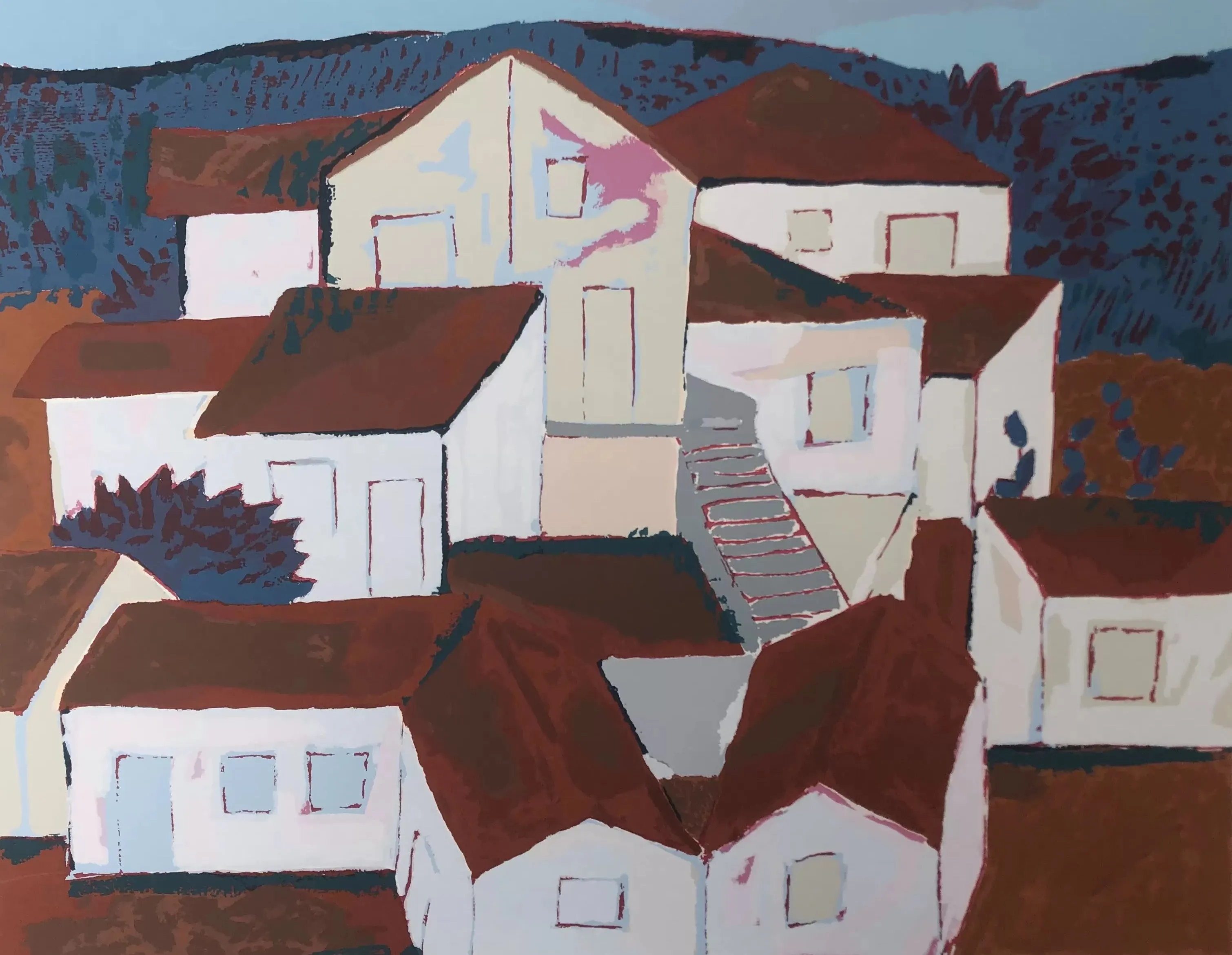
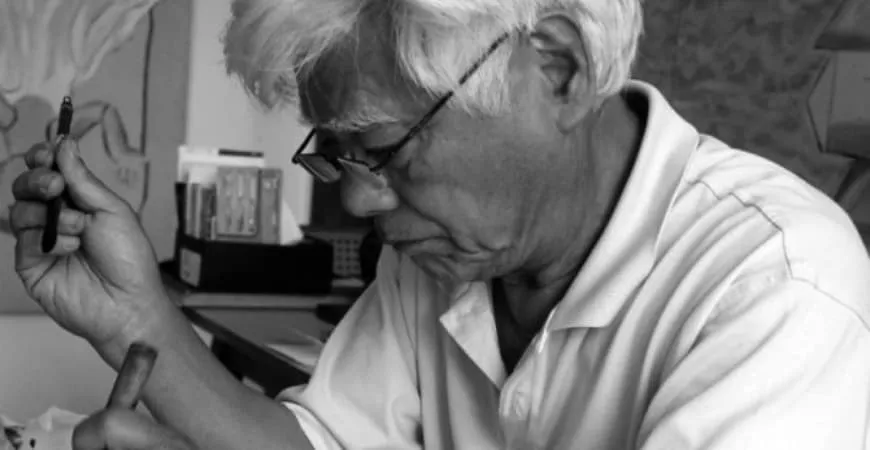
Born in 1931 in Tung-cheng, China, Chen Kong Fang was the third son of engineer Han-Cheng Fang. Influenced by his father, he began drawing in 1937 at the age of six. He delved into watercolor and sumi-e techniques, becoming known as a master of the latter. His mentor was painter Chang-Zenshen. In 1954, Fang moved to São Paulo, where he studied with Yoshiya Takaoka and held his first solo exhibition in 1959. Between 1965 and 1967, he explored abstractionism, but figurativism predominated in his work.
Fang became a Brazilian citizen in 1971 and taught at the São Paulo School of Fine Arts. Critic Theon Spanudi highlighted Fang's contribution to Brazilian art, emphasizing the spirituality of ancient Chinese culture. Fang expanded his artistic horizons by traveling through Europe, North America, and Asia in 1977.
He was honored with biographical short films in 1981 and 2004, and in 1985 was invited by the Chinese government to visit his homeland. He founded the Fang Institute in 2003 and was the subject of the book "Fang Sumi-e" in 2005. Dedicated to art, Fang shared his free time with his family and tai chi chuan, remaining true to his origins until his death in 2012.
Sources:
Photo: https://laart.art.br/blog/chen-kong-fang/
Text: Blombô research and curation, with the support of artificial intelligence for content writing and structuring.
Check the selection of works of this artist