Clóvis Graciano
Brazil - 1907 - 1988
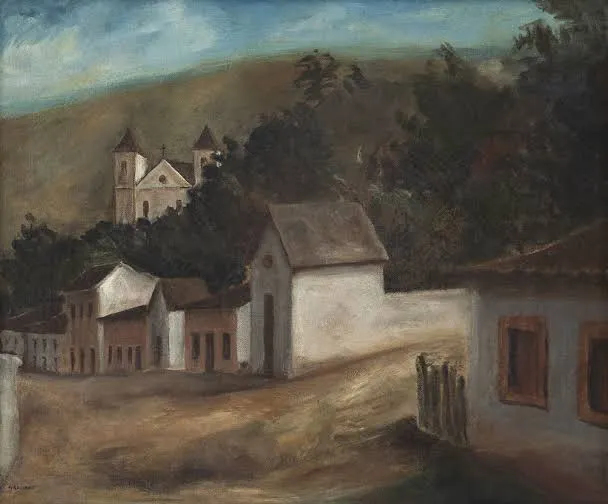
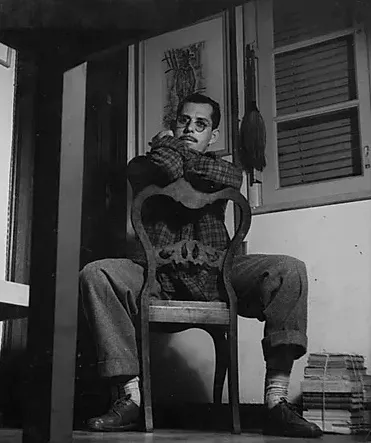
Clóvis Graciano (Araras, São Paulo, 1907 - São Paulo, São Paulo, 1988) was a Brazilian painter, draftsman, set designer, engraver, and illustrator. He lived in São Paulo from 1934, where he studied with the painter Waldemar da Costa between 1935 and 1937. In 1937, Graciano joined the Grupo Santa Helena, which included Francisco Rebolo, Mario Zanini, and Bonadei, among others. He attended the drawing course at the Escola Paulista de Belas Artes as an auditor until 1938 and in 1939 became a member and president of the Família Artística Paulista (FAP).
He regularly participated in the Salons of the Artists' Syndicate and, in 1941, held his first individual exhibition. In 1948, he co-founded the São Paulo Museum of Modern Art (MAM/SP) and in 1949 traveled to Europe with a prize from the National Salon of Fine Arts, staying two years in Paris where he studied mural painting and engraving.
During the 1950s, he dedicated himself mainly to mural painting and also illustrated literary works, including Dorival Caymmi's "Cancioneiro da Bahia," published by Martins in 1947, and Jorge Amado's novel "Terras do Sem Fim," by Record in 1987.
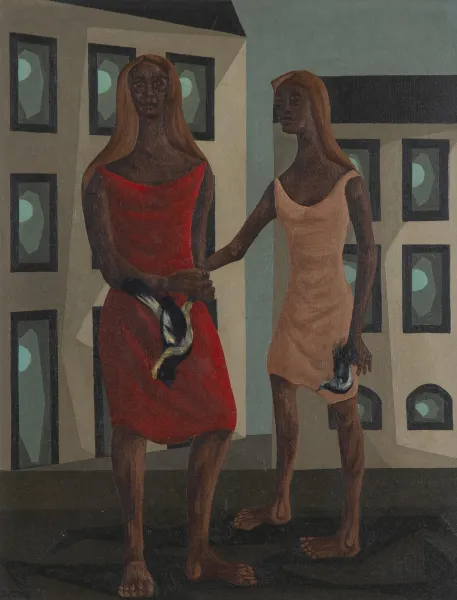
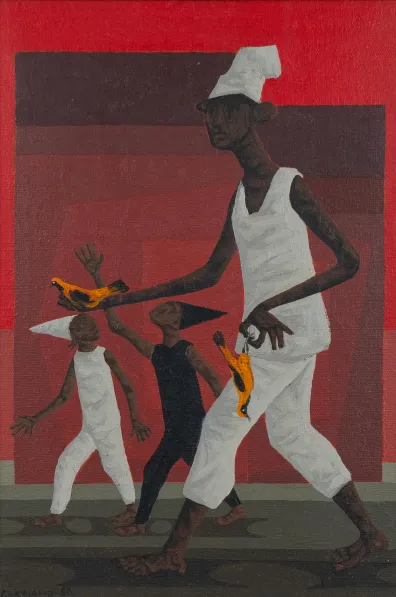
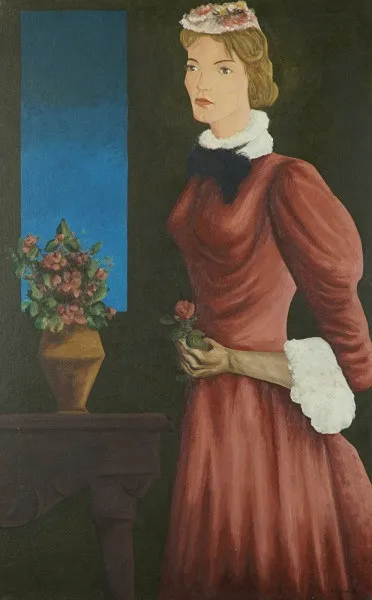
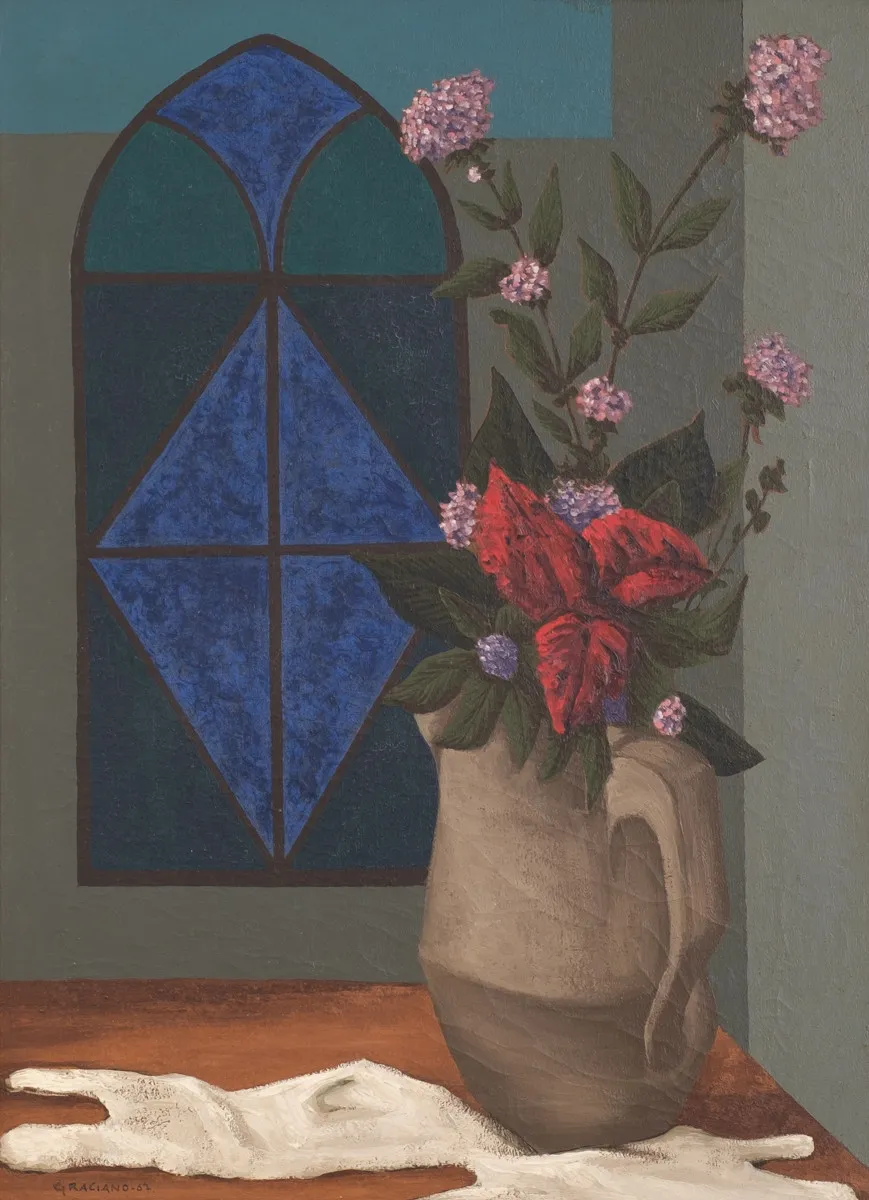
From 1971 to 1976, Graciano was the director of the Pinacoteca do Estado de São Paulo (Pina) and from 1976 to 1978 served as cultural attaché in Paris. Throughout his career, he remained faithful to figurativism, predominantly focusing on social themes.
Sources:
Text: Blombô research and curation, with the support of artificial intelligence for content writing and structuring.
Check the selection of works of this artist